Book Overview
Oh Crap! Potty Training is a 2024 guide by Jamie Glowacki, offering a concise 6‑step plan for modern parents․ It blends humor, evidence‑based tips, and real‑world anecdotes to help families navigate the potty journey efficiently and confidently․ The book offers printable charts a quick‑start guide
Title and Purpose
The book’s title, Oh Crap! Potty Training, immediately signals a candid, no‑frills approach to a topic that can feel daunting․ The author, Jamie Glowacki, a seasoned social worker and parenting expert, designed the guide to give parents a clear, step‑by‑step roadmap that cuts through the noise of conflicting advice․ The purpose is to empower families with a proven 6‑step plan that balances structure and flexibility, ensuring that the process is both efficient and stress‑free․ By combining humor, practical checklists, and evidence‑based strategies, the book aims to reduce the typical trial‑and‑error cycle that many parents experience․ It also offers tools for customizing the approach to fit different child temperaments and family dynamics, thereby increasing the likelihood of success․ The ultimate goal is to help parents achieve a confident, consistent potty routine while fostering a positive parent‑child relationship․ The PDF format makes the resource easily accessible, allowing parents to reference the guide on the go, print key charts, and share insights with caregivers․ In short, the title and purpose together set the stage for a modern, pragmatic, and supportive potty‑training experience that respects both the child’s developmental readiness and the parent’s need for clear direction․ Readers can download the PDF from the Internet Archive or authorized retailers, ensuring they have a reliable, up-to-date resource to guide them through each stage of potty training
Author Credentials
Jamie Glowacki is a social worker and potty‑training expert who has guided over half a million families to success․ His new 2024 guide, updated with real‑world anecdotes and evidence‑based tactics, offers a humor‑laden approach that resonates with modern parents․ today!
Jamie Glowacki’s Background
Jamie Glowacki, a licensed social worker, has earned a reputation as one of the most effective potty‑training specialists in the U․S․ With over twenty years of experience, he has worked with parents, teachers, and pediatric clinicians to create strategies that simplify the learning process for children and caregivers alike․ His methods are grounded in developmental psychology, behavioral science, and data from more than 500,000 families who have successfully transitioned to the toilet․ Glowacki’s first book, released in 2015, became a bestseller, and his 2024 update, Oh Crap! Potty Training, reflects the latest research and feedback from a global audience․ The 2024 edition presents a streamlined six‑step plan that eliminates common pitfalls, offers printable charts, and includes humorous anecdotes that resonate with modern parents․ In addition to writing, Glowacki hosts a popular podcast where he interviews child‑health experts, shares success stories, and answers listener questions in real time․ He also speaks at national conferences, demonstrating interactive training modules that parents can use at home․ Glowacki’s blend of empathy, evidence, and humor has earned him recognition from parenting magazines, a nomination for the National Parenting Award, and a growing online community of thousands of followers who celebrate milestones․ Whether through books, podcasts, or in‑person workshops, he remains committed to making potty training a positive, stress‑free experience for families worldwide․ His online courses, featuring concise video tutorials, have attracted thousands of subscribers and are praised for their clarity and accessibility․

Content Structure
Oh Crap! Potty Training is organized into a clear, six‑step framework․ Each chapter covers a specific phase, from pre‑training readiness to independence, with practical tips, printable charts, and real‑world anecdotes to guide parents․ It provides a handy cheat sheet․!!

Six-Step Potty Training Plan
By following this structured approach, parents can reduce frustration and build confidence for both child and caregiver; Glowacki emphasizes the importance of consistency, patience, and celebrating small victories․ The guide offers printable charts, a quick‑start cheat sheet, and a realistic timeline that adapts to each child’s pace․ Parents are encouraged to stay flexible, communicate openly, and maintain a supportive environment throughout the entire process․ With these tools, parents can turn a daunting task into a collaborative adventure, fostering independence strengthening parent‑child and bond․
Key Principles and Philosophy
Glowacki’s approach centers on three core principles: respect, consistency, and humor․ Respect means acknowledging a child’s developmental readiness and avoiding pressure that can trigger anxiety․ Consistency involves a predictable schedule, clear signals, and a shared language between parent and child, ensuring that every cue is understood․ Humor is woven throughout the text to diffuse tension, making the process feel playful rather than punitive․ The philosophy rejects punitive tactics, instead favoring positive reinforcement and natural consequences․ Parents are encouraged to observe their child’s cues, respond promptly, and celebrate small milestones․ The guide stresses the importance of setting realistic expectations, recognizing that setbacks are normal and part of learning․ By framing potty training as a collaborative adventure, the book empowers parents to maintain calm, stay patient, and adapt strategies to each child’s unique rhythm․ This balanced, evidence‑based philosophy has helped over half a million families successfully navigate the transition, proving that a supportive, light‑hearted approach can yield lasting results․
Research from developmental psychologists supports the idea that children thrive when they feel in control․ Glowacki cites studies showing that a consistent routine reduces anxiety and accelerates learning․ The book also addresses cultural differences, offering adaptations for families from diverse backgrounds․ It emphasizes that the potty is a tool, not a toy, and that parents should model appropriate bathroom behavior․ The philosophy encourages parents to set boundaries while remaining flexible, recognizing that each child’s timeline varies․ It also advises on how to handle sleep‑through nights and nighttime accidents, framing them as normal stages․ By integrating these principles, the guide provides a roadmap that is both compassionate and practical, ensuring that parents feel equipped to guide their child through this milestone with confidence and joy․
Finally, Glowacki reminds parents that success is not measured by speed but by consistency and emotional support․ By maintaining a calm, supportive environment, parents can help their child develop a healthy relationship with bodily signals, setting the stage for lifelong self‑care․
Target Age Group and Adaptations

Oh Crap! Potty Training targets children 18 months to 5 years, focusing on developmental readiness rather than strict age․ The guide recommends a “wait‑and‑watch” phase for infants, then a 6‑step plan for preschoolers that includes a toilet‑first routine, a reward chart, and gradual independence․
- Early Adaptation: Small child seat or booster with a familiar toy to ease anxiety․
- Middle Adaptation: A “toilet‑time” schedule aligned with naps and meals, using a visual timer․
- Late Adaptation: Encourage self‑care: pull down pants, flush, wash hands․
Nighttime training is addressed separately; parents are advised to keep the child awake for the first nights, then reduce diaper use gradually, maintaining a calm bedtime routine and consistent cues․
Parents should maintain their own well‑being, taking short breaks, seeking partner support, and connecting with online communities to share experiences․
The author suggests using a simple app to track progress, warning against over‑monitoring to avoid pressure․
Overall, the plan is flexible, allowing parents to tailor each step to temperament, medical history, and family dynamics, ensuring a supportive process․
For families with children who have sensory sensitivities, developmental delays, or medical conditions, the guide recommends tailoring the plan․ This may involve using a weighted blanket, a quiet corner, or a visual schedule that incorporates pictures․ Parents are encouraged to consult healthcare providers for individualized recommendations and to adjust the timing of potty attempts to match the child’s comfort level․
Share wins #OhCrapPotty! Today now
Availability and Distribution
The PDF is freely available on the Internet Archive and other ebook platforms․ It can be downloaded in PDF or EPUB formats․ Users must check the license before sharing․ The book is also sold as a paperback on major retailers․ It is also available in a Kindle edition for instant access․ Download now!
PDF Formats and Platforms
Oh Crap! Potty Training is offered in multiple digital formats to accommodate different reading preferences․ The primary format is a high‑resolution PDF, which can be downloaded from the Internet Archive (https://archive․org/details/ohcrappottytrain0000glow)․ The PDF is 1․2 MB and preserves the original layout, images, and interactive checklists․ In addition, an EPUB version is available for e‑readers such as Kindle and Kobo, providing reflowable text and adjustable font sizes․ The EPUB file is 1․0 MB and includes the same chapter structure and embedded media․ Both formats are free to download for personal use, but users should respect the author’s copyright terms․ The PDF and EPUB can also be accessed through the official publisher’s website, which offers a direct download link and a brief preview of each chapter․ For those who prefer a physical copy, the book is also available in paperback through major online retailers․ The digital versions are updated annually to reflect new research and user feedback, ensuring that parents receive the most current guidance․ Finally, the PDF is compatible with most operating systems, including Windows, macOS, Linux, iOS, and Android, and can be opened with free software such as Adobe Reader, Preview, or SumatraPDF․ This wide availability makes it easy for parents to access the guide on any device, at any time, and from anywhere in the world․ Readers can also find the PDF on the publisher’s official site, which offers a preview mode that lets you flip through chapters before downloading․ The file is optimized for both desktop and mobile browsers, ensuring quick load times even on slower connections․ Additionally, the PDF includes a built‑in search function, making it easy to locate specific tips or strategies․ The PDF supports annotations, letting parents jot notes directly on pages now․
Download Instructions
To get the Oh Crap! Potty Training PDF, follow these steps:
- Open the Internet Archive page: https://archive․org/details/ohcrappottytrain0000glow and click the PDF link․
- Save the preview by right‑clicking and choosing Save As…․ The file will be named
ohcrappottytrain․pdf․ - Alternatively, download the EPUB from the same page via the EPUB link․
- For a direct link, visit https://ohcrappottytrain․com/download, enter your email, and click Download PDF․
- Open the PDF in any reader (Adobe Reader, Preview, SumatraPDF)․ Use the built‑in search and annotation tools․
- Store the file in cloud storage (Google Drive, Dropbox) for cross‑device access․ Do not redistribute the PDF․
After downloading, create a bookmark for quick navigation: open the file, go to “View” → “Bookmarks,” click “Add Bookmark,” and name it “Oh Crap! Potty Training․” This lets you jump to sections like “Step 3” or “Common Mistakes․”
If you want a printed copy, open the PDF and select “Print” from the reader’s menu․ Choose a high‑quality setting to preserve images and formatting․ Keep the PDF updated by checking the publisher’s site for new releases․
Use the search! Now․
Enjoy the guide and share progress on the forum at forum․ohcrappottytrain․com․
Legal and Copyright Notice
© 2024 Jamie Glowacki․ All rights reserved․ The Oh Crap! Potty Training PDF is a copyrighted work of the author and the publisher, Oh Crap Parenting․ Any reproduction, distribution, or public display of the PDF, in whole or in part, without express written permission from the copyright holder is prohibited and may constitute copyright infringement․ The PDF may be downloaded only from authorized platforms such as the Internet Archive or the official publisher’s website․ Users may print the PDF for personal, non‑commercial use only, and may not share the file via email, cloud storage, or any other medium․ The document is protected under U․S․ copyright law and international treaties, and any violation may result in civil and criminal penalties․ For educational or research purposes, please contact the publisher to request a licensed copy․ The PDF is distributed under a standard copyright license; no derivative works are permitted without explicit consent․ By accessing the PDF, you acknowledge that you will comply with all applicable copyright laws and that you will not reproduce or redistribute the content without permission․ The publisher reserves the right to pursue legal action against unauthorized use․ This notice is intended to protect the intellectual property rights of the author and publisher and to ensure that the content is used responsibly and ethically․
Practical Guidance for Parents
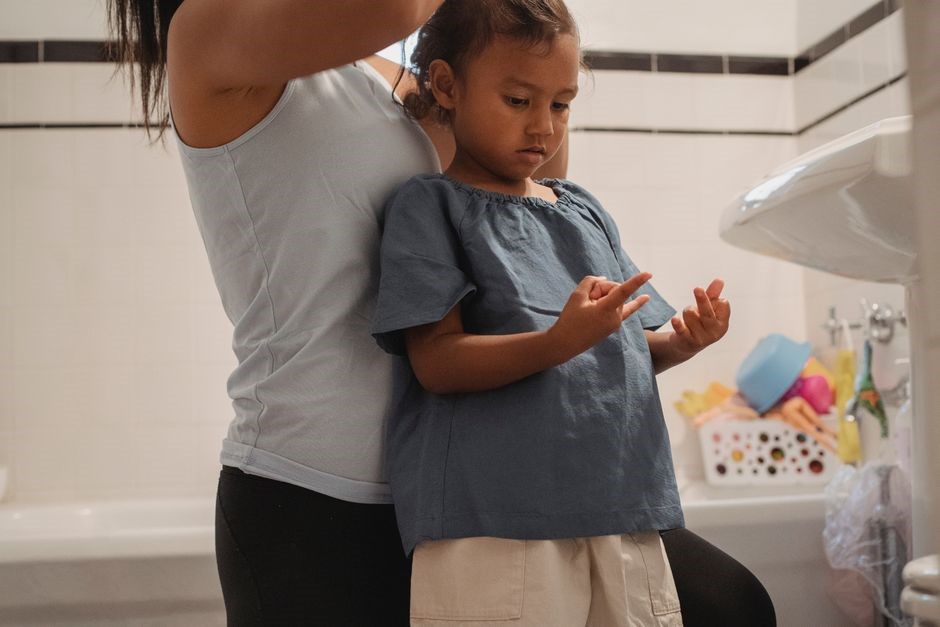
Parents can follow the PDF’s step‑by‑step schedule, use reward charts, and stay consistent․ The guide stresses patience, positive reinforcement, and clear communication․ It offers quick tips for setbacks and ways to keep the process stress‑free Calm No fuss․!
Common Pitfalls and How to Avoid Them
One frequent mistake is letting the potty routine drift, which can confuse a child․ Consistency is key: set fixed bathroom times, keep the same cues, and avoid switching between diapers and training pants abruptly․ Another issue is over‑rewarding, which may turn the process into a game rather than a learning moment․ Use subtle praise and small, meaningful rewards that reinforce the skill, not the excitement․ Parents often ignore early signals, such as a child’s squirming or holding their bladder, and wait for a full “accident․” By teaching children to recognize and communicate these cues, you can intervene before a mess occurs․ Pressure or criticism can also backfire; it may create anxiety and delay progress․ Instead, celebrate successes, no matter how small, and keep the tone light․ A common oversight is not preparing for transitions—moving from diapers to training pants, or from home to daycare․ Plan these changes ahead, keep familiar items nearby, and maintain the same routine․ Finally, many parents underestimate the importance of a calm environment․ Loud noises, sudden changes, or a rushed schedule can disrupt a child’s focus․ Keep the bathroom area inviting, use a child‑sized seat, and give your child time to explore without hurry․ By avoiding these pitfalls, you’ll create a supportive, steady path toward successful potty training․ Remember, every child is unique; what works for one may not work for another, so stay flexible and adapt strategies as needed․ Also, maintain a calm, supportive atmosphere by avoiding negative language, and use positive reinforcement consistently․ Stay calm, keep it fun․ And smile․
Leave a Reply
You must be logged in to post a comment.