
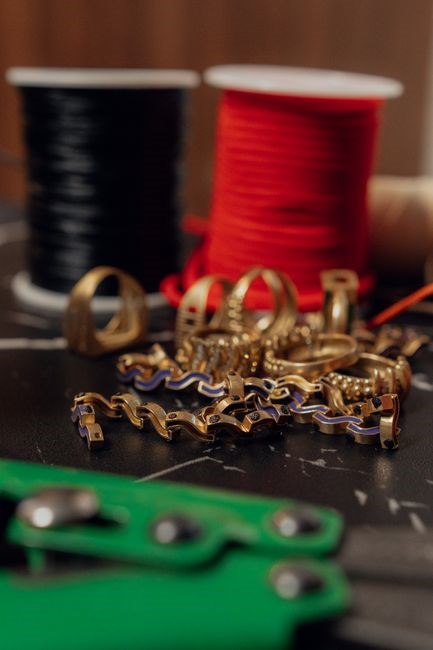
Overview of Goldsmithing in FFXI
Goldsmithing remains a costly craft historically requiring millions of gil. Post-Abyssea changes reduced expenses slightly, yet profit remains elusive. Strong synergies exist with Smithing and Alchemy subcrafts for dedicated artisans. Many level it for support roles.
Historical Development and Current Status
Historically, Goldsmithing carried a notorious reputation as the most expensive craft in Vana’diel. Community consensus estimated a staggering forty million gil investment to reach level one hundred before the Abyssea expansion. This immense cost stemmed from rare ores and volatile crystal markets. The Abyssea era introduced significant economic shifts, altering material availability and synthesis mechanics. While contemporary guides suggest the total expenditure has decreased somewhat, the craft remains a substantial gil sink rather than a reliable income source. Veterans advise newcomers to expect financial losses during progression instead of anticipating profits. Early leveling strategies relied heavily on Ore x4 and Nugget Ore syntheses, identified as supply-intensive bottlenecks. Modern practitioners utilize community repositories like Allakhazam, MysteryTour, and Gamer Escape for updated recipe lists and material farming locations. Gardening for crystals emerged as a vital supplementary activity to mitigate material costs. Despite reduced barriers, the discipline demands patience and deep reserves.
Guide authors like Ctownwoody and Sarchar documented these transitions extensively, noting specific breakpoints at level fifty-four where ingredient efficiency improves. Players must still consult external online databases for precise updated ingredient requirements.
Comparison with Other Crafting Jobs
Goldsmithing’s niche lies between the high‑cost, high‑reward Smithing and the more accessible Alchemist. While Smithing offers lucrative ingot and alloy production, its market saturates quickly, reducing profit margins. Alchemy, conversely, benefits from a steady demand for potions, yet its resource costs are comparatively lower. Goldsmithing’s unique advantage is the ability to craft rare jewelry and crystal items that fetch premium prices in the auction house. However, the scarcity of Ore x4 and Nugget Ore syntheses creates a steep gil‑sink, making it less attractive for casual players. Players often pair Goldsmithing with Smithing to leverage shared subcrafts, especially Smithing for metal refinement and Alchemy for crystal processing. Community forums highlight that mastering all three crafts can unlock cross‑sell opportunities, but the initial investment remains a barrier. Ultimately, Goldsmithing appeals to dedicated players seeking high‑value, low‑volume items, whereas Smithing and Alchemy cater to broader, volume‑based economies.
Goldsmithing’s progression requires frequent synthesis, whereas Smithing’s bulk ingot output offsets high upfront costs, offering a smoother climb for guild economies; meanwhile, Alchemy’s stable potion market provides consistent, though lower, returns during peak market cycles and demand.
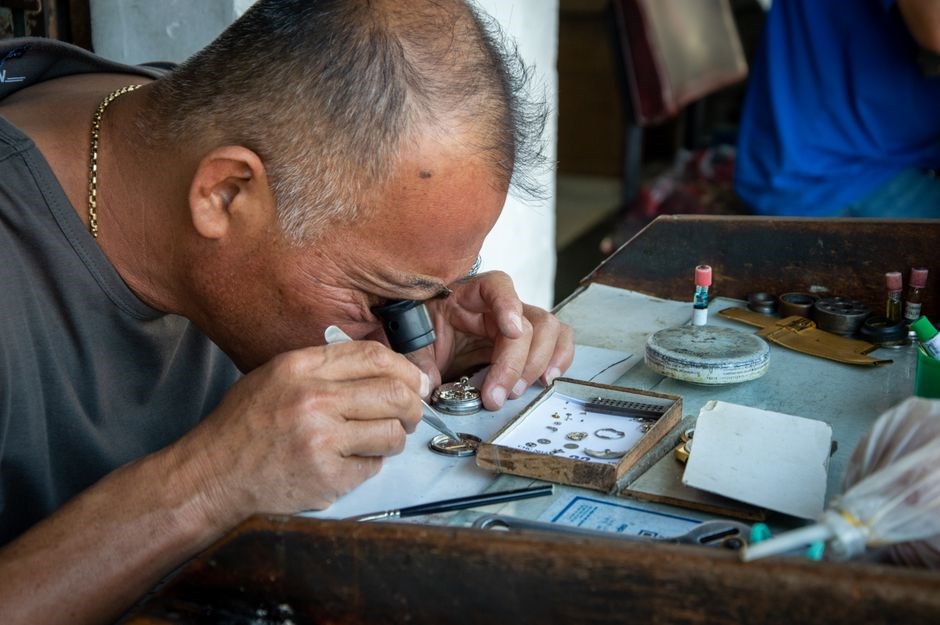
Essential Materials and Their Acquisition
Goldsmithing relies on Ore x4, Nugget Ore, crystals, sheets, and hairpins. Acquire Ore x4 through mining or trading, Nugget Ore via synthesis, crystals by farming or gardening, sheets from Smithing, and hairpins from rare, daily, often quest drops.
Primary Iron and Gold Ores: Ore x4 and Nugget Ore
Ore x4 and Nugget Ore form the backbone of early Goldsmithing progression. Ore x4, often sourced from mining points or purchased from regional vendors, acts as a primary ingredient for basic ingots. However, community guides frequently label it a supply-hog due to the massive quantities required for skill-ups. Nugget Ore, synthesized from Gold Ore and Fire Crystals, represents the next tier. Its synthesis is described as a major gil-sink, draining finances rapidly despite being considered the cheapest route to level 54. Players typically farm Gold Ore in zones like Gusgen Mines or buy it from the Auction House, then process it. Market volatility affects Nugget Ore prices heavily; buying low during off-peak hours saves millions. Efficient miners often camp specific nodes to bypass vendor limits. Understanding the conversion rates—typically four ores per ingot—is crucial for calculating material stacks. Always verify current server economy before committing to large crafting sessions, as losses accumulate quickly without careful planning and price tracking. Consult Allakhazam or MysteryTour databases for updated recipes and vendor locations. Gardening provides alternative crystal sources, reducing dependency on fluctuating auction markets.
Crystals, Sheets, and Hairpins: Farming Tips
Effective farming of crystals, sheets, and hairpins dramatically reduces the gil‑sink associated with Goldsmithing. Most players discover that crystals are best obtained through gardening instead of relying solely on auction house purchases. Allakhazam and MysteryTour provide detailed gardening routes for Wind, Ice, Earth, Lightning, Water, Light, and Dark crystals, allowing crafters to harvest multiple stacks per session. A common method involves planting seedlings in the Mog Garden, then using the Harvest skill to collect up to four crystals per node before they respawn. Sheets are produced from Iron Ore and are required for several quest items and low‑level equipment. Farming Iron Ore in Gusgen Mines or buying it from regional vendors remains the most efficient approach because each Ore x4 yields one sheet and requires minimal gil investment. Hairpins appear in only two quests, yet they still sell for a price on the market. Because they are low value, many players craft them to offset gil loss from tier materials. Remember to monitor auction prices, buying crystals when they dip and selling sheets or hairpins when they peak maximizes profitability today.
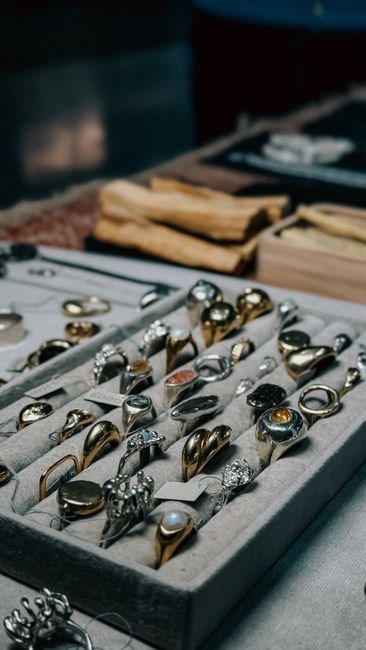
Core Goldsmithing Recipes and Uses
Key recipes include Gold Earrings requiring Wind Crystals and Gold Ingots. Sheets and Hairpins consume Ingots but offer minimal skill gains. Nugget Ore synthesis remains a primary method for advancing skill levels efficiently today.
High-Value Items: Gold Earring, Wind Crystal, and Gold Ingot
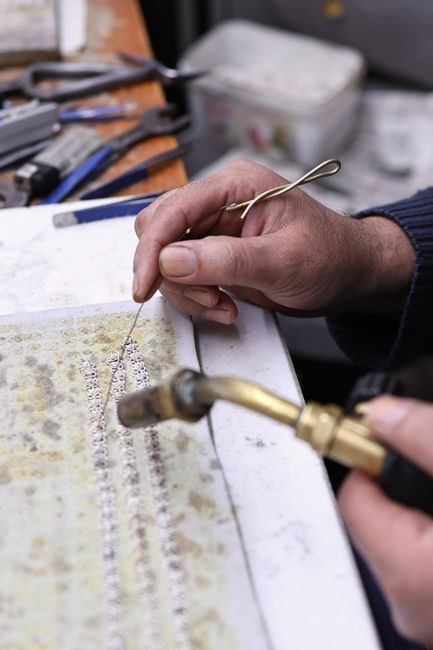
The Gold Earring synthesis stands as a premier high-value recipe for advancing Goldsmithing skill around level 57. This specific combine consumes two Gold Ingots and a single Wind Crystal, representing one of the three primary outlets for processed ingots. Compared to crafting Gold Sheets or Hairpins, the earring recipe offers superior skill progression efficiency relative to material cost. Gold Ingots themselves serve as the fundamental building block, refined from Gold Ore or Nuggets, and their market value fluctuates heavily with server economy. Wind Crystals, essential for the fire-based synthesis, are readily farmed or purchased in bulk from vendors or the Auction House. Mastering this recipe allows artisans to potentially recover gil through sales to players seeking accessories for enmity control or latent effects. However, the high break rate without advanced support or Moghancement: Goldsmithing can lead to significant financial loss. Savvy crafters monitor Auction House history to buy Ingots low and sell finished Earrings high, maximizing margin. This synergy between material acquisition and final product demand defines the economic engine of mid-tier Goldsmithing for dedicated players seeking consistent profits today.
Low-Value but Useful Items: Sheets, Hairpins, and Quest Materials
Goldsmithing’s low‑tier outputs, such as Gold Sheets, Hairpins, and various quest‑specific materials, play a pivotal role in early skill progression despite modest market prices. Sheets, produced by combining a Gold Ingot with a small crystal, are the most frequently requested item for the “Goldsmithing 54” milestone; they grant a single skill point and are often sold to novice crafters or used in vendor exchanges. Hairpins, crafted from a sheet and a crystal, are required for two minor quests that reward modest gil and a small skill boost, making them a reliable source of experience for players who prefer questing over grinding. Quest materials, such as the “Goldsmithing Apprentice” component, are obtained through specific storyline tasks and typically require a sheet or hairpin as an ingredient. While these items rarely fetch high prices on the Auction House, their utility in quest completion and skill advancement makes them indispensable for players aiming to reach higher levels efficiently. Consequently, many Goldsmiths adopt a hybrid approach, alternating between high‑value recipes and low‑value outputs to maintain steady income and progress for both beginners and veterans alike.
Skill Progression and Leveling Strategy
Skill progression hinges on efficient resource use, balancing low‑cost recipes with high‑yield items. Players should prioritize Nugget Ore synth for early levels, then shift to Gold Ingot production, leveraging Smithing synergy for optimal gil gains daily.
Efficient Leveling from 0 to 54 with Minimal Gil Loss
Reaching level 54 demands strategic recipe selection to mitigate heavy financial drain. Early progression relies heavily on Ore x4 synthesis, though this consumes vast supplies rapidly. Transitioning to Nugget Ore synth represents the cheapest viable path forward, despite remaining a significant gil sink. Consult community databases for precise ingredient lists, as specific components vary per attempt. Around skill 57, Gold Earrings become craftable using Wind Crystals and Gold Ingots, offering a potential skill-up avenue, though Sheets and Hairpins serve as alternatives. However, Sheets require double the ingots for less skill gain, while Hairpins NPC for similar value, making both relatively inefficient. Gardening provides a steady source of necessary crystals, reducing market dependency. Accept that losing money is standard; pre‑Abyssea estimates cited forty million gil for mastery, and current economics still favor loss expectation over profit. Leverage Smithing and Alchemy subcraft synergies where possible to optimize material usage and slightly offset the inevitable deficit during this grueling climb. Monitor auction house fluctuations for Ore and Nugget prices, buying low to minimize expenditure. Consistent synthesis attempts guarantee eventual skill caps despite frequent breaks.
Optimizing Subcrafts: Smithing and Alchemy Synergies
Smithing and Alchemy serve as complementary subcrafts that can dramatically reduce the cost of leveling Goldsmithing. By investing in a modest Smithing level, players gain access to the ability to convert excess metal ingots into higher‑value items such as Gold Ingots, which are essential for many Goldsmithing recipes. Alchemy, on the other hand, allows the creation of crystals and other components that otherwise must be purchased or farmed, cutting down on both time and gil expenditure. The synergy between these crafts is pronounced when a player simultaneously runs a low‑tier Smithing job to produce ingots and an Alchemy job to produce crystals, then uses the resulting materials to fuel Goldsmithing synthesis. This dual‑craft approach also opens up the possibility of selling surplus crystals or ingots on the market, providing an income stream that can offset losses. Players should prioritize leveling Smithing to at least level 30 and Alchemy to level 20 before focusing on Goldsmithing, as these thresholds unlock efficient recipes for material conversion. Consistent practice in all three disciplines ensures a progression and a profitable crafting experience for your daily.
Goldsmithing in the Post‑Abyssea Era
Post‑Abyssea Goldsmithing costs have decreased, yet remain expensive. Players now focus on efficient synthesis, leveraging Smithing and Alchemy for material conversion. Market dynamics shift, making niche items like Gold Ingots valuable for profit. daily crafting sessions.
Changes in Skill Costs and Market Dynamics
Historically, leveling Goldsmithing to 100 demanded roughly forty million gil, a daunting barrier for average players according to veteran guides. Post‑Abyssea adjustments have lowered this financial ceiling considerably, yet the craft remains a net loss endeavor requiring careful planning. Contemporary guides emphasize expecting gil depletion rather than profit during skill-ups, suggesting new crafters read starter resources on Blue Gartr. Specific material markets reflect this shift; Ore x4 acts as a supply hog, while Nugget Ore synthesis functions as a major gil sink. High-level recipes like Gold Earrings require double Gold Ingots and Wind Crystals, yet often NPC for values comparable to cheaper Hairpins or Sheets. Sheets, despite consuming more ingots, yield less skill progression and serve only limited quest demands. Consequently, artisans must carefully calculate synthesis costs against NPC returns or auction house volatility. Gardening for crystals and monitoring Allakhazam or MysteryTour databases become essential for minimizing deficits. Current economy favors calculated investment, leveraging updated database pricing to mitigate losses rather than chasing profits, fundamentally altering traditional leveling strategies overall. Players should consistently cross-reference auction history and vendor prices before committing materials to any synthesis attempt as a daily routine;
Role of Goldsmithing as a Support Craft for Other Jobs
Goldsmithing often serves as a foundational sub‑craft for several primary jobs, providing essential materials that boost overall production efficiency. By mastering the creation of sheets, hairpins, and low‑tier ingots, players can supply Smithing, Alchemy, and even Blacksmithing with high‑quality inputs, reducing the need for costly market purchases. Many high‑level recipes across these jobs require gold‑based components; a well‑leveled Goldsmith can produce them at a fraction of the market price, turning the craft into a revenue stream rather than a cost center. Additionally, certain support items such as the Gold Earring or Wind Crystal are frequently used as quest rewards or crafting catalysts, making a Goldsmith indispensable for jobs that rely on quest‑derived materials. Consequently, guilds and party groups often prioritize Goldsmithing for its ability to keep production lines running smoothly, especially during large‑scale crafting events or server‑wide item drops. Players often coordinate with vendors to secure discounted raw materials, further optimizing the support role effort.
Economic Impact and Profitable Scenarios
Goldsmithing’s market influence stems from high-value items like Gold Ingots and Nugget Ore synths. Profit hinges on buying low, selling high, and leveraging crafting synergies. Strategic resource management yields consistent returns for players daily operations success.
Market Analysis: Buying Low, Selling High
Effective market analysis in Goldsmithing demands vigilant monitoring of auction house fluctuations for primary materials like Ore x4 and Nugget Ore. Since Nugget Ore synthesis represents a significant gil sink, crafters must purchase ores during low-demand periods and sell finished Gold Ingots or high-value jewelry when prices peak. Historical data indicates pre-Abyssea leveling costs reached forty million gil, though current economics are slightly improved. However, the guide explicitly warns players to expect financial loss rather than profit during skill-ups. Profitability emerges primarily through subcraft synergy, particularly with Smithing and Alchemy, where Goldsmithing supports essential components. Savvy artisans exploit the price gap between raw nuggets and refined ingots, alongside niche demand for Gold Earrings requiring Wind Crystals. Sheets and Hairpins offer minimal returns, often selling to NPCs for negligible gil. Gardening for crystals reduces material overhead. Ultimately, success relies on buying low during supply surges and selling high during crafting events or update cycles, transforming a notorious money pit into a sustainable support profession for dedicated economists. Consistent tracking of regional bazaar trends further enhances margins significantly for patient investors everywhere today.
Profitability of Nugget Ore Synth and Gold Ingots
Nugget Ore synthesis functions as a notorious gil sink where Ore x4 acts as a supply hog draining resources rapidly. Players attempting this route above level 54 discover the nugget yields minimal financial return, often comparable to the guide’s own utility for saving currency. Gold Ingots serve three primary skill-up purposes: Gold Earrings requiring Wind Crystals and two ingots, Sheets, and Hairpins. Earrings represent the optimal path, while Sheets demand twice the ingots for one less skill level and Hairpins NPC for similar value. Pre-Abyssea estimates placed 0-100 mastery at forty million gil; modern costs remain high though slightly reduced. Real profitability emerges not from direct synthesis but through subcraft integration with Smithing and Alchemy. Most artisans maintain Goldsmithing as a support craft, accepting gradual skill gains for component production. Market timing proves essential; buying nuggets during gluts and selling ingots during shortages creates marginal gains. Ultimately, the synth remains a loss leader for skill progression rather than a standalone revenue generator for dedicated crafters seeking sustainable income streams today across Vana’diel economies consistently requiring patience and capital reserves always now.

Tips, Tricks, and Community Resources
Visit Allakhazam, MysteryTour, and Gamer Escapes for detailed goldsmithing guides. Garden crystals efficiently, follow proven farming routes, and engage community forums for tips, trade alerts, and collaborative crafting strategies that maximize skill and profit daily updates.
Best Farming Routes and Gardening for Crystals
Crystals are the lifeblood of goldsmithing, and mastering their acquisition can dramatically reduce gil loss. The most efficient farming route begins in the northern Kholusia region, where the Crystal of the North spawns in abundance during the Nightfall cycle. Players should time their runs to coincide with the 12‑hour lunar cycle, ensuring maximum yield. A second reliable spot is the Crystal Caverns in the southern Vana’diel archipelago; here, the Crystal of the Sea drops from the Sea Serpent after a successful Fishing session. For those who prefer gardening, the Crystal Garden in the Whitegate district offers a low‑maintenance option. By planting Crystal Seeds and applying the Crystal Fertilizer every 24 hours, players can harvest a steady stream of crystals without leaving the city. Combining these methods with the Allakhazam forum’s real‑time market data allows goldsmiths to time purchases and sales, ensuring that crystal costs remain below market averages. Finally, coordinating with the Gamer Escapes community for shared farming schedules can further reduce downtime and increase overall efficiency. Use the weekly market reports to adjust crystal buying strategies accordingly and maximize gains;
Key Forums and Guides: Allakhazam, MysteryTour, and Gamer Escapes
Community resources remain essential for efficient goldsmithing progression. Allakhazam hosts comprehensive recipe databases, skill‑up tables, and real‑time price histories that allow crafters to plan synth routes with minimal gil loss. MysteryTour supplements this with detailed farming maps for ores, crystals, and rare drops, plus user‑submitted leveling logs that highlight optimal subcraft synergies. Gamer Escapes provides curated guides from veteran players such as Ctownwoody and Sarchar, offering step‑by‑step leveling paths from zero to fifty‑four and post‑Abyssea cost analyses. The Blue Gartr forums add discussion threads on market fluctuations, gardening schedules for crystal cultivation, and macro setups for rapid synthesis. Regularly cross‑referencing these sites ensures access to the latest patch notes, NPC vendor changes, and community‑tested profit calculations. Bookmark the recipe index, farming guide, and market tracker pages; set alerts for price drops on gold ingots and nugget ore to maximize returns. Additionally, join the Discord channels linked on each site for real‑time advice, trade negotiations, and coordinated farming parties that further reduce material costs and accelerate skill gains significantly for all players today.