FortifiedFam․com offers a valuable resource, alongside BabyLedWeaningTeam on Instagram, providing guidance on introducing a diverse range of foods before a baby’s first birthday․
Many seek printable charts, including PDF options available on Etsy, to track and organize this journey, ensuring comprehensive nutritional exposure․
Early food introduction, particularly aiming for 100 foods before one year, is crucial for developing a baby’s palate and reducing picky eating later in life․ Exposure to diverse flavors and textures during this formative period fosters acceptance of a wider variety of foods․
Resources like FortifiedFam․com and BabyLedWeaningTeam emphasize this, offering guidance and printable charts (often available as PDF downloads on platforms like Etsy) to support parents․ Introducing foods early also helps identify potential allergies, as recommended by tracking one food at a time․
This proactive approach builds a foundation for lifelong healthy eating habits․
Benefits of Diverse Dietary Exposure
Diverse dietary exposure, as championed by resources like BabyLedWeaningTeam and supported by printable 100 foods charts (available as PDFs, including options on Etsy), offers significant benefits․ It minimizes the risk of nutrient deficiencies, ensuring a baby receives a broad spectrum of vitamins and minerals․
Introducing a wide range of foods early also supports gut health and immune system development․ FortifiedFam․com highlights this, advocating for a varied diet․ Tracking intake with a chart aids in identifying potential allergies and preferences․
Ultimately, it cultivates adventurous eating habits․
Understanding the Goal: Nutritional Completeness
The “100 Foods Before 1” approach, facilitated by printable charts (often found as PDFs on platforms like Etsy), isn’t about rigid adherence, but achieving nutritional completeness․ Resources like FortifiedFam․com and BabyLedWeaningTeam emphasize a balanced intake of essential nutrients․
This includes prioritizing foods rich in potassium – charts detailing these sources are available – alongside adequate fats, proteins, and carbohydrates․ Utilizing tools like CalorieKing․com and NutritionData․com aids in informed food selection․
The goal is optimal growth and development․
Printable Resources: Overview & Availability
Etsy offers 100 Foods charts as PDF downloads, while FortifiedFam․com and BabyLedWeaningTeam provide resources, with both free and paid options․
Etsy Listings for 100 Foods Charts (PDF)
Etsy hosts numerous listings for 100 Calorie Food Charts and 100 First Foods trackers, primarily available as downloadable PDF files․ These charts, sized at 11”x8․5” for standard printing, categorize foods alphabetically – fruits, vegetables, proteins, fats, grains, and more․
They’re designed for calorie or macronutrient tracking, visually comparing portion sizes (like Oreos versus zucchini)․ Calculations are sourced from CalorieKing․com, NutritionData․com, and direct food labels, offering a convenient, science-backed resource for parents navigating early food introduction․
FortifiedFam․com & BabyLedWeaningTeam Resources
FortifiedFam․com, spearheaded by BabyLedWeaningTeam on Instagram, provides a wealth of information regarding introducing 100 foods before a baby’s first birthday․ They offer guidance on safe food preparation and allergy introduction, crucial for baby-led weaning․
While a completely free PDF isn’t explicitly stated, the website and Instagram account serve as excellent resources for building a personalized list, adapting to local availability and family preferences․ Users can filter for 6-month-safe foods and track reactions effectively․
Free vs․ Paid Printable Options
Finding a completely free 100 Foods Before 1 PDF can be challenging․ While FortifiedFam․com and BabyLedWeaningTeam offer extensive guidance, a downloadable chart isn’t directly available for free․ However, resourceful parents create their own lists based on these resources․
Etsy provides various printable options, ranging in price, offering organized charts with nutritional information like potassium and calories․ These paid versions offer convenience and a pre-formatted layout, saving time and effort in compilation․
Categorizing the 100 Foods
Printable charts commonly categorize foods into fruits, vegetables, proteins, fats, grains, and even beverages, aiding organized introduction․
This structure supports balanced nutrition and simplifies tracking a baby’s dietary exposure․
Fruits: Essential Vitamins & Minerals
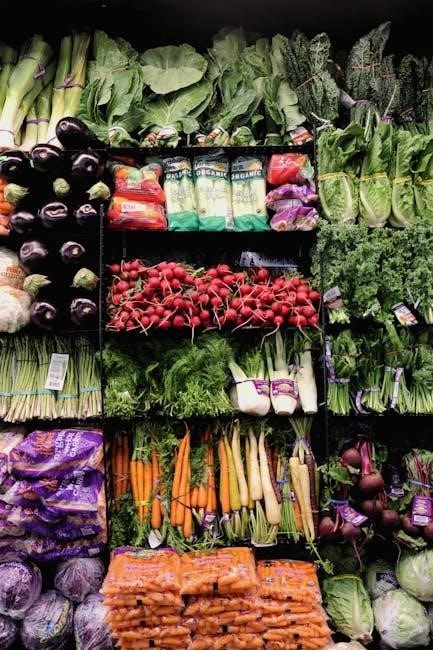
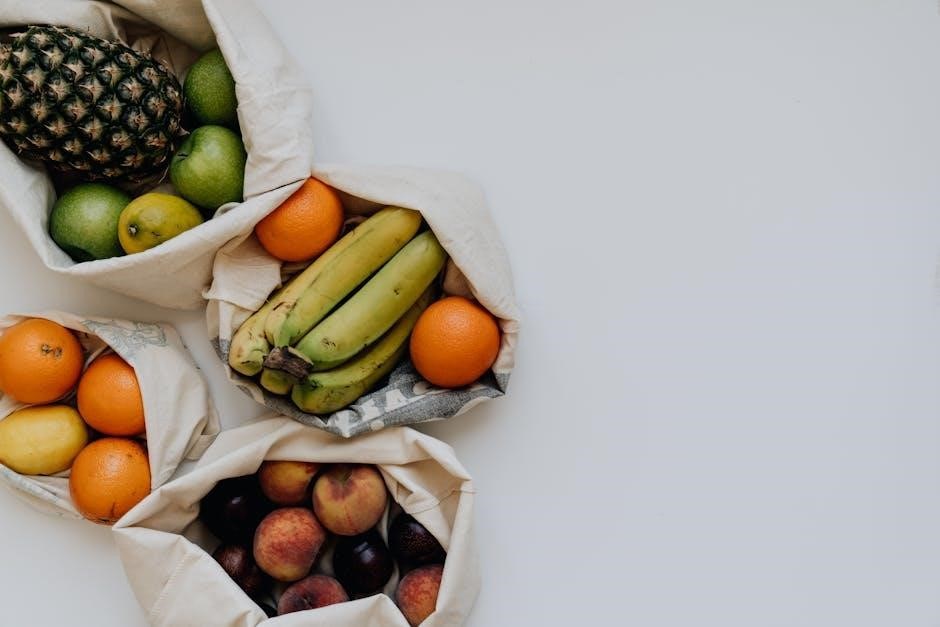
Fruits form a cornerstone of the “100 Foods Before 1” approach, delivering vital vitamins and minerals crucial for infant development․ Printable charts often feature a diverse selection, encouraging early exposure to varied flavors and textures․
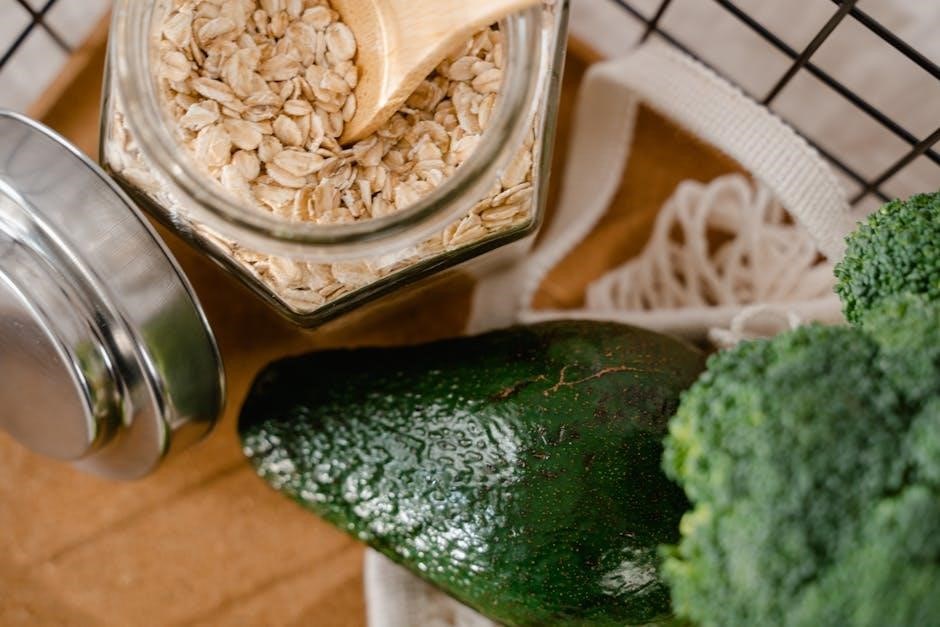
Examples commonly included are avocado, banana, berries, and peaches, chosen for their nutritional density and ease of preparation for baby-led weaning․ These fruits provide essential nutrients like Vitamin C, potassium, and fiber, supporting a healthy immune system and digestive function․ Utilizing resources like FortifiedFam․com can guide appropriate fruit selection and preparation methods․
Vegetables: Building a Foundation for Health
Vegetables are fundamental to establishing a robust nutritional base during the first year, as highlighted in the “100 Foods Before 1” concept․ Printable charts emphasize introducing a wide array of vegetables to foster acceptance and provide essential nutrients․
Common choices include sweet potato, broccoli, carrots, and zucchini, offering vitamins A and C, alongside fiber and antioxidants․ These vegetables support healthy growth and development․ Resources like Etsy listings and FortifiedFam․com provide guidance on safe preparation and age-appropriate textures for baby-led weaning․
Proteins: Supporting Growth & Development
Proteins are crucial for a baby’s rapid growth and development, making them a key component of the “100 Foods Before 1” approach․ Printable charts aid in tracking protein introduction, ensuring a diverse intake․
Options like well-cooked and shredded chicken, beef, lentils, and beans provide iron and essential amino acids․ Resources such as Etsy’s 100 Calorie Food Chart and FortifiedFam․com offer preparation guidance․ Introducing proteins early supports muscle development and overall health, aligning with baby-led weaning principles․
Macronutrient Considerations in First Foods
Printable charts help balance fats, carbohydrates, and proteins for optimal growth․ CalorieKing․com and NutritionData․com assist in tracking macronutrient intake․
Prioritizing nutrient density is key․
Fats: Brain Development & Energy
Fats are critically important for a baby’s rapidly developing brain and provide essential energy․ When utilizing a “100 Foods Before 1” approach, incorporating sources like avocado, full-fat yogurt, and even small amounts of oily fish (when age-appropriate and allergy-safe) is beneficial․
Printable charts can help parents visualize and track fat intake alongside other macronutrients․ Resources like CalorieKing․com offer detailed nutritional breakdowns, aiding in informed food choices․ Remember, healthy fats support cognitive function and overall growth during this crucial developmental stage․ Prioritize whole food sources over processed options․
Grains & Starches: Providing Carbohydrates
Grains and starches are vital carbohydrate sources, fueling a baby’s increasing activity levels and growth․ Options like sweet potato, oats, and quinoa can be incorporated into a “100 Foods Before 1” plan․ Printable charts assist in monitoring carbohydrate intake alongside fats and proteins․
NutritionData․com provides detailed nutritional profiles for various grains․ When using PDF resources, ensure appropriate portion sizes for age and development․ Prioritize whole grains over refined options for sustained energy and fiber intake, supporting healthy digestion․
Balancing Macronutrients for Optimal Growth
Achieving optimal growth requires a careful balance of macronutrients – fats, proteins, and carbohydrates – within the “100 Foods Before 1” approach․ Printable charts, like those found on Etsy, can help track intake from diverse food groups․
CalorieKing․com aids in calculating macronutrient ratios․ Prioritize nutrient-dense foods, ensuring adequate fat for brain development․ A free PDF resource should emphasize variety, supporting a well-rounded diet and healthy growth trajectory for your baby․
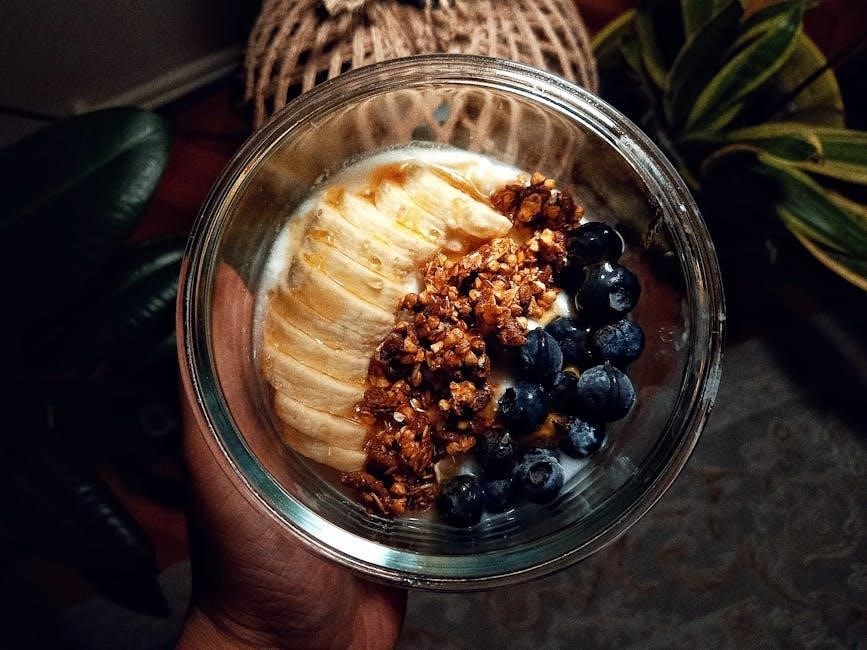
Specific Food Examples (Based on Available Data)
Etsy offers 100 calorie food charts, while potassium-rich food charts highlight essential nutrients․ FortifiedFam․com provides examples for baby-led weaning․
High-Potassium Food Sources (Chart Focus)
Etsy provides printable charts specifically focused on high-potassium foods, categorized into six groups: fruits, vegetables, legumes & grains, nuts/seeds, seafood/meats, and dairy․
Each chart features six foods per category, clearly displaying the potassium content per 100g, aiding in informed dietary choices․ These charts are designed with a clean, minimal layout for easy readability․
Available in both A4 and US Letter PDF formats, these resources offer a practical and science-based approach to incorporating potassium-rich foods into a baby’s diet, supporting healthy development․
Examples from 100 Calorie Food Charts
Etsy’s “100 Calorie Food Chart” is a printable nutrition guide, sized at 11×8․5 inches, categorizing foods like fruits, vegetables, proteins, fats, grains, and beverages․
This chart is organized alphabetically, offering a visual comparison of portion sizes – for example, 100 calories of Oreos versus zucchini․
Calculations are sourced from CalorieKing․com, NutritionData․com, and directly from food labels, providing accurate nutritional information for mindful food selection during the first year․
Common First Foods for Baby-Led Weaning
Discussions on r/BabyLedWeaning highlight the flexibility of creating personalized lists, prioritizing locally available and easily prepared foods for a baby’s first tastes․
While FortifiedFam․com and BabyLedWeaningTeam offer a “100 Foods Before 1” printable, many parents adapt this list based on their baby’s needs and preferences․
Introducing one food at a time for allergy monitoring is crucial, but up to three foods can be offered simultaneously once tolerance is established, fostering diverse dietary exposure․
r/BabyLedWeaning emphasizes introducing foods individually to monitor for reactions, while a printable “100 Foods Before 1” chart aids in tracking each new introduction․
The Importance of Introducing Foods One at a Time
Introducing new foods individually is paramount when utilizing a “100 Foods Before 1” approach, particularly with a printable guide․ This practice, highlighted in discussions on r/BabyLedWeaning, allows for precise identification of potential allergic reactions․ By offering a single new food, parents can confidently observe any adverse effects – skin rashes, digestive upset, or respiratory changes – without the confusion of multiple ingredients․
This methodical approach, facilitated by tracking on a PDF chart, ensures safety and builds confidence․ Some parents may introduce up to three foods simultaneously after confirming no reactions, but single introductions remain the foundational best practice․
Monitoring for Allergic Reactions
When implementing the “100 Foods Before 1” plan, utilizing a printable PDF for tracking, diligent monitoring for allergic reactions is crucial․ Parents should observe for symptoms like hives, eczema, swelling (especially of the face, lips, or tongue), vomiting, diarrhea, or difficulty breathing after introducing each new food․
A detailed food introduction log, alongside the printable, is essential․ Note the date, time, food introduced, and any observed reactions․ Prompt medical attention is vital for severe reactions, ensuring your baby’s safety throughout this exploration․
A comprehensive food introduction log is vital when using a “100 Foods Before 1” printable PDF․ This log should meticulously record each new food offered, including the date and time of introduction․
Document the food’s form (puree, finger food), quantity given, and, most importantly, any observed reactions – even seemingly minor ones․ This detailed record, used alongside your printable, helps identify potential allergies and ensures a safe, informed approach to expanding your baby’s diet․
Printable Chart Features & Layout
Printable charts often feature alphabetical organization by food category, alongside nutritional information like potassium and calories, in A4 or US Letter formats․
Alphabetical Organization by Category
Printable 100 Foods charts commonly employ an alphabetical layout within distinct food categories for easy navigation․ These categories typically include Fruits, Vegetables, Proteins, Fats, Grains & Starches, and sometimes Beverages or Condiments․
This organizational structure allows caregivers to quickly locate specific foods, streamlining the introduction process․ For example, within the ‘Fruits’ section, apples would precede bananas, and blueberries would follow․
The Etsy listings and resources from FortifiedFam․com often utilize this method, enhancing usability and making it simpler to track introduced foods and monitor for potential allergic reactions․
Nutritional Information (Potassium, Calories)
Many 100 Foods Before 1 printable charts include key nutritional information to support informed feeding decisions․ Potassium content, measured in milligrams per 100g, is frequently featured, recognizing its importance for overall health․
Calorie counts are also common, often derived from resources like CalorieKing․com and NutritionData․com, aiding in monitoring intake․
Etsy listings for Potassium-rich Foods Charts specifically highlight this nutrient, while general 100 Calorie Food Charts provide a quick visual comparison of energy density․
A4 & US Letter PDF Formats
Printable 100 Foods Before 1 charts are commonly offered in two standard paper sizes: A4 and US Letter, ensuring compatibility with printers worldwide․ These charts are typically delivered as PDF files for easy downloading and printing․
Etsy listings for Potassium-rich Foods Charts and general food trackers explicitly state availability in both formats․ This flexibility allows users to choose the size best suited to their needs and organizational preferences․
Digital download ensures instant access, eliminating shipping costs and delays․

Utilizing Online Resources Alongside Printables
CalorieKing․com and NutritionData․com provide detailed nutritional information, complementing printable charts, while food labels offer direct verification of data․
CalorieKing;com for Calorie Counts
CalorieKing․com serves as a crucial digital companion to 100 Foods Before 1 printables, offering a vast database of calorie information for countless food items․
The Etsy listings for 100 Calorie Food Charts specifically cite CalorieKing․com as a primary source for their calculations․ This ensures accuracy when tracking intake and understanding portion sizes․
Users can quickly cross-reference the nutritional data on their printable charts with CalorieKing․com to confirm values or explore additional details about specific foods․ It’s a valuable tool for parents focused on mindful feeding and nutritional completeness․
NutritionData․com for Detailed Nutritional Profiles
NutritionData․com complements the 100 Foods Before 1 approach by providing in-depth nutritional breakdowns beyond just calorie counts․ Like CalorieKing․com, it was utilized in creating the Etsy 100 Calorie Food Charts․
This resource offers detailed information on vitamins, minerals – including potassium highlighted in specific printable charts – and macronutrient composition of various foods․
Parents utilizing FortifiedFam․com resources or BabyLedWeaningTeam guidance can leverage NutritionData․com to understand the full nutritional benefits of each food introduced to their baby․
Food Label Information as a Reference
Directly referencing food labels provides the most accurate nutritional information, mirroring the methodology used in creating resources like the Etsy 100 Calorie Food Charts․ These charts derive data from sources like CalorieKing․com, NutritionData․com, and actual product packaging․
For parents following FortifiedFam․com or BabyLedWeaningTeam’s guidance, examining labels ensures precise tracking of nutrients, especially when introducing the 100 foods․
This practice is crucial for allergy monitoring and understanding the specific composition of prepared baby foods, supplementing printable tracking tools․
Customizing Your “100 Foods” List
Personalization is key; adapt the 100 foods list based on local availability and family preferences, as suggested by online communities․
Tailor preparation methods to your skill level for successful implementation․
Considering Local Availability
Adapting the “100 Foods Before 1” list to your region is crucial for success․ Not all foods are readily accessible everywhere, and relying on seasonal produce can be both cost-effective and beneficial․
Online resources, while helpful, may suggest items difficult to source locally․ A user on r/BabyLedWeaning emphasized creating a custom list to ensure everything is easily found․ This proactive approach avoids frustration and promotes consistent implementation of the dietary plan․ Prioritize what’s fresh and available in your area, ensuring a diverse and practical introduction to solids for your baby․
Adapting to Family Preferences
The “100 Foods Before 1” approach shouldn’t feel restrictive; it’s about expanding palates, not imposing dislikes․ Incorporating flavors your family already enjoys can make mealtimes more pleasant for everyone, including baby!
A custom list, as suggested on r/BabyLedWeaning, allows you to prioritize foods aligned with your cultural cuisine and dietary habits․ This ensures the introduction of solids feels natural and sustainable․ Don’t hesitate to substitute suggested items with similar nutrient-rich alternatives your family regularly consumes, fostering positive food associations․
Preparing Foods Based on Your Skills
Successfully implementing “100 Foods Before 1” hinges on realistic preparation․ Don’t feel pressured to master complex recipes! Begin with foods you’re already comfortable cooking, simplifying the process and reducing stress․
As a r/BabyLedWeaning user noted, creating your own list allows you to select items you know how to prepare․ Start with steamed vegetables, soft fruits, or easily mashed proteins․ Gradually expand your repertoire as your confidence grows, ensuring safe and appropriate textures for your baby’s developmental stage․
Baby-Led Weaning & Printable Integration
Babyledweanteam’s Instagram and FortifiedFam․com resources complement printable charts, guiding safe food preparation for six-month-olds and combining foods post-allergy introduction․
Safe Food Preparation for 6-Month-Olds
Baby-led weaning prioritizes offering appropriately sized and textured foods to six-month-olds, fostering self-feeding skills․ Foods should be prepared to be easily graspable – think finger-sized pieces – and soft enough to be mashed between gums, avoiding choking hazards․
Utilizing a “100 Foods Before 1” printable as a guide helps ensure variety, but always adapt preparation based on your baby’s developmental stage․ Resources like Babyledweanteam on Instagram offer specific serving suggestions for different ages and foods, promoting safe exploration and minimizing risks․
Remember to introduce one new food at a time to monitor for potential allergic reactions․
Once individual foods from a “100 Foods Before 1” list have been safely introduced and any potential allergies ruled out, combining flavors and textures becomes exciting! You can begin pairing previously accepted foods to create simple meals, expanding your baby’s palate․
A printable chart serves as a helpful reference, reminding you of successfully introduced ingredients; Experiment with combinations, keeping in mind developmental readiness and preferences․ Babyledweanteam’s resources offer inspiration for age-appropriate meal ideas, fostering a positive and varied eating experience․
Continue observing for any reactions when introducing new combinations․
Utilizing Instagram Resources (Babyledweanteam)
Babyledweanteam on Instagram is a fantastic, readily accessible resource for parents navigating the “100 Foods Before 1” journey․ Their feed provides visual inspiration for food presentation, age-appropriate serving sizes, and safe preparation techniques․
Beyond visual guidance, Babyledweanteam’s associated website, FortifiedFam․com, offers a printable “100 First Foods Before 1 Year” chart․ This chart streamlines tracking and ensures diverse nutritional exposure․
The Instagram platform fosters a supportive community where parents share experiences and ask questions․
Leave a Reply
You must be logged in to post a comment.